Source Clear Glass Cupping Jar for Therapy, Massage, and Wellness
Compare 30 clear glass cupping jar options from verified suppliers. Buyers can evaluate different set sizes, materials, and customization features for adult, children, and elderly use in external therapy applications; compare the available evidence and request quotations based on your requirements.
Key considerations
Products List




Comprehensive Sourcing Guide
Clear Glass Cupping Jar Sourcing Guide
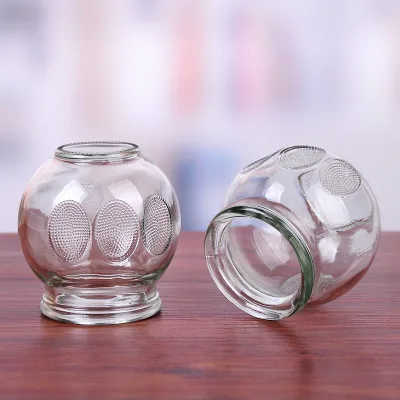
Procuring clear glass cupping jars requires a nuanced understanding of both traditional therapeutic applications and modern manufacturing capabilities. These devices are primarily designed for external use in massage and Chinese medicine practices, aiming to clear meridians and promote smooth blood circulation. Buyers must distinguish between single-unit cups and comprehensive sets, as the latter often include varying sizes to accommodate different body parts. The transparency of the glass is a critical functional attribute, allowing practitioners to observe skin changes and suction levels in real-time, which enhances treatment precision and safety.
The market offers diverse configurations, ranging from simple single cups to complex sets with rubber heads or multiple sizes. Understanding the specific usage mode is essential, as some products are tailored for adult therapy while others are suitable for children or the elderly. Buyers should also consider the customization options available, such as OEM branding or specific packaging requirements, which can significantly impact the final product’s marketability. The material grade, often described as high-grade glass, ensures durability and thermal resistance, which are vital for repeated sterilization and long-term clinical use.
Product Scope and Observed Listing Signals
Current market listings reveal a wide spectrum of product types, including glass cupping sets, single cups, and rubber head variants. Observed specifications indicate that sets typically contain between five and twelve cups, with some listings specifying six distinct sizes to ensure versatility. The material composition is predominantly glass, often combined with rubber components for suction control or sealing. Color options vary from clear to white or blue, with clear glass being the most common for visibility during therapy. These signals help buyers identify products that align with their specific therapeutic needs and aesthetic preferences.
Minimum order quantities (MOQs) fluctuate significantly, ranging from ten sets for bulk orders to fifty pieces for smaller batches. This variability allows buyers to scale their procurement based on demand, whether for small clinics or large distributors. Packaging formats also differ, with some products supplied in individual boxes and others in cartons containing multiple sets. The presence of OEM and ODM capabilities suggests that many suppliers are open to custom branding and design modifications, which is crucial for businesses looking to establish a unique market identity. Buyers should verify these details to ensure the supplier can meet their specific volume and branding requirements.
Technical Specifications to Verify
Verifying technical specifications is paramount to ensuring product quality and therapeutic efficacy. Buyers should confirm the glass grade and thickness, as high-grade glass is essential for withstanding thermal shock and repeated use. The sealing type, often involving rubber stoppers or heads, must be inspected for durability and airtightness to maintain consistent suction. Additionally, the number of cups in a set and their respective sizes should be clearly defined to ensure they cover the necessary treatment areas. The model numbers, such as CC, GC, or SL-1, can serve as reference points for comparing specifications across different suppliers.
It is also important to assess the customization options available, including the ability to modify cup sizes or add branding. The production origin, often cited as Shanghai, may influence logistics and lead times, so buyers should verify the supplier’s location and shipping capabilities. The standard packing configuration, such as twelve pieces per set, should be confirmed to avoid discrepancies in delivery. Furthermore, the usage mode, whether for massage or medicine, should be clearly stated to ensure the product meets regulatory and practical requirements. These technical details form the foundation of a successful procurement decision.
Compliance and Safety Documentation
Compliance with safety standards is non-negotiable for medical and therapeutic devices. Buyers must request documentation that verifies the product’s adherence to relevant health and safety regulations, particularly for items intended for external use on humans. The material composition, specifically the glass and rubber components, should be free from harmful substances, and suppliers should provide certificates of analysis or material safety data sheets. Although specific certification names are not listed, buyers should inquire about ISO or other recognized quality management certifications that indicate a robust production process.
Safety also extends to the product’s design and functionality. The rubber stoppers or heads must be securely attached to prevent detachment during use, which could pose a choking or injury hazard. Buyers should verify that the product has undergone appropriate testing for durability and suction consistency. Additionally, the labeling and packaging should include clear instructions for use, warnings, and manufacturer details to ensure safe handling by practitioners and patients. Ensuring that all compliance documentation is up-to-date and verifiable is crucial for mitigating legal and reputational risks in the procurement process.
Cost Drivers and Commercial Terms
Several factors influence the cost of clear glass cupping jars, including material quality, customization, and order volume. High-grade glass and complex designs, such as those with rubber heads, typically command higher prices due to increased manufacturing complexity. Customization options, such as OEM branding or unique packaging, can also add to the cost, as they require additional setup and production adjustments. Buyers should negotiate based on the total value proposition, considering not just the unit price but also the quality, durability, and supplier support provided.
Commercial terms, including MOQs and payment conditions, play a significant role in the overall procurement strategy. Lower MOQs may result in higher per-unit costs, while larger orders can leverage economies of scale. Buyers should clarify the packing details, such as whether items are boxed or carton-packed, as this affects shipping costs and storage requirements. Additionally, lead times and shipping terms should be discussed to ensure timely delivery and avoid disruptions in supply. Understanding these cost drivers and commercial terms allows buyers to make informed decisions that balance cost efficiency with product quality.
Supplier Qualification and Quality Control
Evaluating supplier qualification is essential for ensuring a reliable and consistent supply of clear glass cupping jars. Buyers should assess the supplier’s production capabilities, including their factory size, equipment, and workforce expertise. The presence of OEM and ODM services indicates a level of flexibility and customization capability, which is valuable for brands seeking unique products. Additionally, suppliers with a history of exporting to diverse markets may have better experience in meeting international quality and compliance standards.
Quality control processes should be rigorously reviewed to ensure product consistency and safety. Buyers should inquire about the supplier’s inspection protocols, including in-process checks and final random inspections. The ability to provide sample units for evaluation is a critical step in verifying quality before committing to a large order. Furthermore, suppliers should have a clear process for handling defects and returns, ensuring that any issues are resolved promptly and fairly. Establishing a strong relationship with a qualified supplier through regular communication and performance reviews is key to long-term success.
Long-Term Procurement Checks
Long-term procurement success depends on continuous monitoring and evaluation of supplier performance. Buyers should establish key performance indicators (KPIs) such as on-time delivery rates, product defect rates, and responsiveness to issues. Regular audits, whether on-site or virtual, can help verify that the supplier maintains consistent quality and compliance standards over time. Additionally, staying informed about changes in regulations and market trends ensures that the procured products remain relevant and compliant.
Building a resilient supply chain involves diversifying suppliers and maintaining open lines of communication. Buyers should periodically review contract terms to ensure they remain favorable and aligned with current market conditions. Feedback from end-users, such as practitioners and patients, can provide valuable insights into product performance and areas for improvement. By proactively managing these long-term checks, buyers can mitigate risks, optimize costs, and ensure a steady supply of high-quality clear glass cupping jars.
FAQs
What materials are used in these glass cupping sets?
The sets primarily use high-grade glass for the cups to ensure durability and clear visibility of the skin during therapy. Some variations incorporate rubber heads or stoppers to facilitate easier suction control and sealing. This combination of glass and rubber components supports the traditional Chinese medicine apparatus requirements for effective meridian clearing and blood circulation.
Can I customize the branding on these cupping jars?
Yes, OEM and ODM customization is available for these glass cupping sets. Buyers can request specific branding, such as the Shinylink or Sinylink labels, or other custom designs. This service allows businesses to create unique product lines tailored to their market needs while maintaining the high-grade quality and standard specifications of the glass and rubber components.
What is the typical packaging for a 12-piece set?
The standard packaging for a 12-piece set typically includes twelve cups arranged in a set configuration. Some listings indicate box packaging for individual units or carton packing for bulk shipments. The specific packing method may vary based on the model, such as the cc or GC series, ensuring the glass cups are protected during transit and ready for retail or professional use.
Are these cupping jars suitable for children and elderly users?
Yes, these glass cupping jars are suitable for adults, children, and the elderly. The design supports external use for massage and medicine application, making them versatile for various age groups. The clear glass allows practitioners to monitor the skin response accurately, ensuring safe and effective treatment for different user demographics while adhering to traditional Chinese medicine principles.
What is the minimum order quantity for these glass cupping sets?
The minimum order quantity varies by product type, ranging from 10 sets for some glass cupping sets to 500 pieces for single cups. Specific models like the rubber head cupping sets may have an MOQ of 50 sets. Buyers should check the specific product model, such as SL-1 or GG, to determine the exact MOQ requirements for their order.
How do rubber head cupping sets differ from standard glass cups?
Rubber head cupping sets combine glass cups with rubber components, such as stoppers or heads, to enhance suction control. This design allows for easier application and removal of the cups compared to standard glass jars that may require manual pumping. The rubber elements provide a secure seal, making the process more efficient for external use and massage applications in traditional medicine.